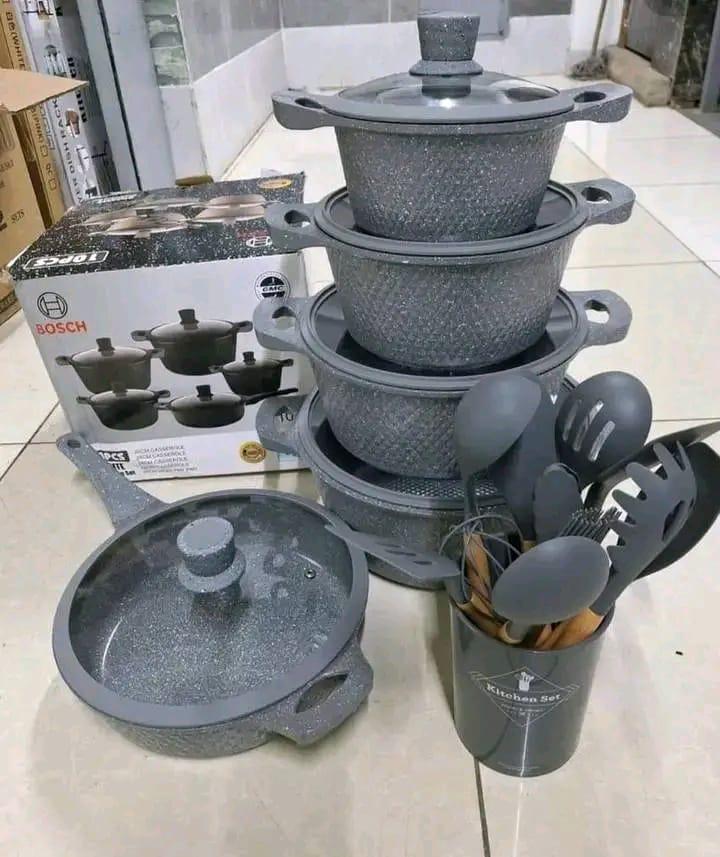
The cookware you use daily could be silently impacting your health. Traditional non-stick pans with scratched coatings, aluminum pots, and even some ceramic options can leach harmful chemicals into your food. Meanwhile, flimsy pots and pans that warp over time lead to uneven cooking and frustration in the kitchen.
The solution lies in investing in high-quality, non-toxic cookware that performs beautifully while keeping unwanted chemicals out of your meals. From cast iron that lasts generations to stainless steel that distributes heat perfectly, the right cookware makes cooking more enjoyable and your food safer to eat.
The Hidden Risks in Common Cookware
Non-Stick Coatings (Teflon)
When overheated (above 500°F), traditional non-stick coatings can release toxic fumes linked to respiratory issues. Scratched surfaces may flake into food, meaning you could be eating tiny bits of the coating.
Aluminum Cookware
Lightweight and affordable, but bare aluminum can react with acidic foods like tomatoes or citrus, potentially leaching metal into your food. Some studies suggest a link between aluminum exposure and neurological issues.
Copper Pots (Unlined)
While excellent for heat conductivity, unlined copper can cause toxicity if used for cooking rather than just serving.
The Safest Cookware Materials
Cast Iron: The Timeless Workhorse
Seasoned cast iron develops a natural non-stick surface while adding small amounts of dietary iron to food. It’s virtually indestructible and works on the stovetop, in the oven, or even over a campfire. The Lodge 10.25” Skillet offers professional performance at an affordable price.
Stainless Steel (Clad): The Professional Standard
Tri-ply or five-ply stainless steel with aluminum or copper cores provides even heating without reacting with food. The All-Clad D3 series offers restaurant-quality performance that lasts decades.
Carbon Steel: Cast Iron’s Lighter Cousin
Beloved by chefs, carbon steel pans like the Matfer Bourgeat season similarly to cast iron but are lighter and more responsive to temperature changes. Perfect for searing and sautéing.
100% Ceramic: The Pure Non-Toxic Option
Unlike ceramic-coated pans that can chip, solid ceramic cookware like Xtrema contains no metals or synthetic materials. It’s naturally non-stick when properly used and can withstand extremely high temperatures.
Enameled Cast Iron: The Best of Both Worlds
Combining cast iron’s heat retention with a non-reactive enamel coating, Dutch ovens like Le Creuset are ideal for slow-cooked dishes and acidic foods that might react with bare metal.
Modern Non-Toxic Non-Stick Alternatives
For those who want the convenience of non-stick without the chemicals:
- GreenPan’s Thermolon: Ceramic-based coating free from PFAS chemicals
- Caraway’s Ceramic-Coated: Stylish and oven-safe up to 550°F
Building a Safe Cookware Collection
Start with these essentials:
- A 10-12” cast iron or carbon steel skillet for searing and frying
- A 3-quart stainless steel saucepan for sauces and boiling
- A 6-quart enameled Dutch oven for soups and braises
- A large stainless steel stockpot for pasta and stocks
Caring for Your Investment
- Season cast iron and carbon steel regularly with thin layers of oil
- Avoid metal utensils on non-stick surfaces to prevent scratching
- Hand wash most premium cookware to preserve finishes
- Store properly with protective layers between pans to prevent scratches
The Lasting Value of Quality Cookware
While premium cookware requires a larger upfront investment, it pays dividends in:
- Better cooking results from even heat distribution
- Healthier meals free from chemical contaminants
- Lifelong durability that outlasts cheaper alternatives
By choosing thoughtfully, you can build a cookware collection that serves your family safely for decades to come—and makes every cooking experience more enjoyable.
Final Thoughts
Both robot vacuums and quality cookware represent investments in your home that pay off daily. One gives you back precious time while keeping your living space immaculate; the other ensures healthier meals and more enjoyable cooking experiences. In our busy modern lives, these aren’t luxuries—they’re tools for living better.